Complete Guide to Commercial Roof Replacement in Florida: What Businesses Need to Know
Introduction
For property owners and facility managers, understanding when Commercial Roof Replacement becomes necessary—and when Commercial Roof Repair Services are still viable—can prevent costly disruptions, interior damage, and premature roof failure. This guide provides a complete, decision-focused breakdown of the replacement process, materials, timelines, and compliance considerations specific to Florida’s commercial buildings, helping you plan proactively and protect your asset.
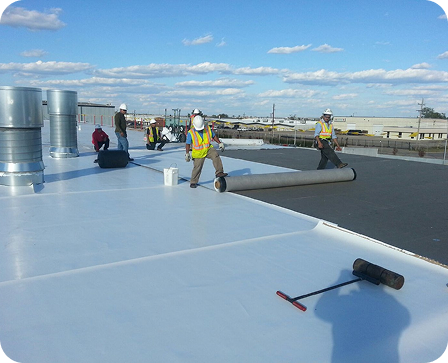
When Is It Time to Replace Your Commercial Roof?
Delaying a necessary Commercial Roof Replacement can lead to water intrusion, structural deterioration, energy inefficiency, and operational downtime. The following indicators signal when a full replacement should be evaluated rather than continued patchwork repairs:
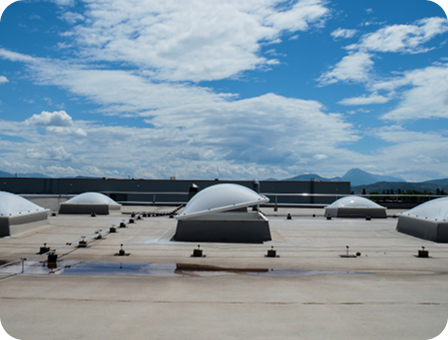
Aging Roof Materials : Most commercial roofing systems perform optimally for 20–30 years depending on material, exposure, and maintenance history. Roofs nearing this range require professional evaluation.
Energy Inefficiency : Rising cooling costs frequently point to compromised insulation or reflective performance—common signs of roof system failure in Florida.
Visible Damage : Blistering, sagging, punctures, deteriorated flashing, or membrane separation signal loss of system integrity.
Storm Impact : Florida’s hurricane season accelerates wear. A post-storm inspection is critical even if damage is not immediately visible.
Early identification allows businesses to plan replacement on their timeline—rather than reacting to an emergency.
Comparing Repairs vs. Full Roof Replacement
Short-Term Repairs : Ideal for isolated damage such as minor flashing issues or localized leaks. Repairs are cost-effective short-term but may not resolve systemic problems.
Full Roof Replacement : Recommended when damage affects more than 25% of the roof area, when repairs become frequent, or when the roof has exceeded its service life. While the upfront cost is higher, replacement delivers predictable performance, improved energy efficiency, and long-term cost control.
Advanced Roofing evaluates both options through comprehensive inspections, helping businesses choose the most financially and structurally sound solution.
Common Roofing Systems Used in Florida’s Commercial Properties
TPO (Thermoplastic Polyolefin) : Highly reflective, energy-efficient, and well-suited for flat or low-slope roofs.
Modified Bitumen : Durable and flexible, performing well under foot traffic and temperature fluctuations.
Built-Up Roofing (BUR) : Multi-layer protection offering strong waterproofing for roofs supporting heavy equipment or walkways.
Metal Roofing : Exceptional longevity and wind resistance, making it ideal for hurricane-prone regions.
Material selection should align with building design, operational needs, and long-term ownership goals.
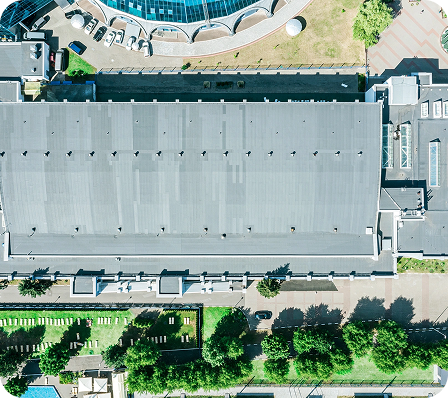
Step-by-Step Process of a Commercial Roof Replacement Project
Site Evaluation and Roof Inspection
- Overall membrane condition
- Moisture intrusion and insulation performance
- Drainage efficiency
- Flashing, edges, and penetrations
- Code compliance and wind uplift resistance
Based on these findings, repair or replacement recommendations are provided with full transparency.
Selecting the Right Roofing Material
- Durability: Performance under hurricane-force winds
- Energy Efficiency Impact on cooling loads and utility costs
- Installation Timeline: Minimizing business disruption
- Maintenance Requirements: Long-term serviceability
Expert guidance ensures the selected system meets both technical and budgetary requirements.
Project Timeline and Budgeting Expectations
- Roofing material type and volume
- Roof size, slope, and access
- Deck repairs or replacements
- Tear-off and disposal requirements
- Permitting and labor
Most projects are completed within 7–14 days, supported by a clearly defined execution plan to maintain operational continuity.
Project Timeline and Budgeting Expectations
Type and amount of roofing material
- Roof size and slope
- Need for deck replacement
- Removal and disposal of old materials
- Permitting and labor fees
Compliance with Florida Building Codes and Hurricane Standards
The Importance of Working with a Licensed Commercial Roofing Contractor
- Factory-trained, OSHA-compliant crews
- Full insurance and liability coverage
- Proven experience across thousands of Florida commercial projects
This expertise reduces risk and ensures predictable outcomes.
How Commercial Roof Repair Services Support Ongoing Longevity
Even after replacement, Commercial Roof Repair Services remain essential. Scheduled inspections and proactive repairs help:
- Address minor wear before escalation
- Preserve manufacturer warranties
- Improve drainage and waterproofing performance
- Extend roof lifespan under Florida’s harsh climate
This proactive approach minimizes emergencies and stabilizes long-term costs.
Preventative Maintenance and Regular Inspections
- Avoid unexpected capital expenditures
- Maintain safe working conditions
- Ensure ongoing code compliance
- Protect warranty coverage
Customized maintenance schedules are designed to align with business operations and asset goals.

Why Florida Businesses Choose Advanced Roofing
- Florida-Focused Expertise: Deep understanding of local codes, weather, and permitting
- End-to-End Services: Inspections, Commercial Roof Repair Services, and full Commercial Roof Replacement
- Award-Winning Safety Programs
- 24/7 Emergency Response Capabilities
The result is long-term partnerships—not one-time projects.
Contact Us
Contact Us Today
Ready to transform your workspace? Contact us today to schedule a consultation or request a free quote. Let Advanced roofing show you the difference a reliable roofing partner can make!
Get Started on Your Commercial Roof Replacement Project Today
Contact us today for a no-obligation consultation and take the next step toward securing your commercial property’s future.