How to Choose the Right Commercial Roofing System for Your Property
Introduction
Your commercial roof is more than just a structural necessity—it plays a vital role in protecting your investment, employees, and customers. A high-quality roofing system prevents leaks, enhances energy efficiency, and withstands Florida’s challenging climate conditions, including intense sun, heavy rain, and hurricanes. With the guidance of professional commercial roofing installers like Advanced Roofing, you can select the best solution tailored to your building’s needs.

Understanding Commercial Roofing Systems
What Are Commercial Roofing Systems?
Commercial roofing systems refer to various materials and designs specifically engineered for commercial buildings. Unlike residential roofs, which often have steep slopes and shingles, commercial roofs tend to have lower slopes and require durable, weather-resistant materials. These systems are built to handle heavy foot traffic, HVAC equipment, and long-term exposure to the elements.
Common Types of Roofing Systems Used in Florida
- TPO (Thermoplastic Olefin) – Energy-efficient, UV reflective, and cost-friendly.
- EPDM (Ethylene Propylene Diene Monomer) – Durable synthetic rubber ideal for long-term flexibility.
- PVC (Polyvinyl Chloride) – Chemically resistant and fire-retardant; excellent for industrial and restaurant properties.
- Metal Roofing – Among the longest-lasting and most wind-resistant roofing systems.
- Built-Up Roofing (BUR) – Multi-layered asphalt design providing high leak protection.
- Modified Bitumen – Reliable asphalt-based system engineered for Florida’s harsh weather.

Key Factors Influencing Your Roofing Choice
- Building structure and slope
- Energy efficiency goals
- Florida climate durability requirements
- Short-term vs long-term maintenance expectations
Types of Commercial Roofing Systems
Flat Roofing Systems
Flat roofs maximize usable space and allow easy access to equipment. Common options include:
EPDM Roofing – Long-lasting membrane with strong UV resistance.
PVC Roofing – Ideal for chemical-heavy or food-service environments.
Metal Roofing Systems
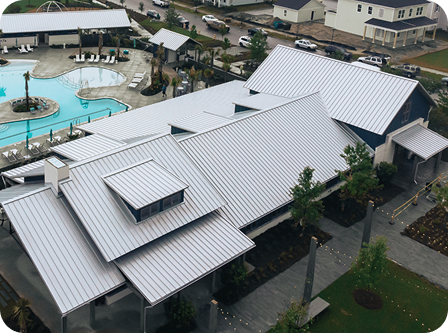
R-Panel Metal Roofs – Cost-effective strength suited for large buildings.
Aluminum & Steel Roofing – Corrosion-resistant, fireproof, and long-lasting.
Built-Up Roofing (BUR) and Modified Bitumen
Green & Cool Roofs
Cool Roofs – Reflect sunlight to reduce heat absorption and energy usage.
Factors to Consider When Choosing a Commercial Roofing System
Climate and Weather Conditions in Florida
Building Type and Structure
- Warehouses → durable metal
- Office buildings → energy-efficient TPO
- Retail stores → aesthetic, low-maintenance PVC or cool roofs
Energy Efficiency & Sustainability
Durability & Lifespan
Maintenance Requirements
Cost Considerations for Commercial Roofing
Initial Installation Costs vs. Long-Term Investment
Energy Savings and Tax Benefits
Budget-Friendly Roofing Solutions with High ROI
The Role of Professional Commercial Roofing Installers
Why Expert Commercial Roofing Installers Matter
How Advanced Roofing Ensures High-Quality Installation
Common Mistakes to Avoid When Hiring a Roofing Contractor
- Hiring unlicensed contractors
- Ignoring warranty details
- Choosing the cheapest bid without considering quality
Roofing Compliance and Regulations in Florida
Florida Building Codes and Permit Requirements
Professional roofing installers ensure all permits are obtained, inspections are scheduled, and the project meets FBC standards to guarantee structural safety, insurance compliance, and long-term performance.
Hurricane-Resistant Roofing Regulations
Importance of Choosing a Licensed and Insured Roofing Contractor
Signs It’s Time to Replace Your Commercial Roof
Common Roofing Issues That Signal Replacement
- Frequent leaks: Persistent water intrusion, even after repairs, indicates that the roofing system has surpassed its functional life.
- Sagging or ponding water: Improper drainage or roof deformation can compromise structural integrity and accelerate membrane deterioration.
- Increased energy bills: A failing roof loses insulation performance, forcing HVAC systems to work harder—leading to higher operating costs.
- Aging or deteriorating materials: Cracks, blisters, punctures, and visible wear suggest the system is no longer providing adequate protection and may soon fail.
How to Extend the Lifespan of Your Commercial Roof
Preventative Maintenance Tips
- Conduct semi-annual inspections: Spring and fall inspections help catch issues early and maintain warranty compliance.
- Clear debris and improve drainage: Blocked drains cause ponding water, which leads to premature roof failure.
- Repair small issues immediately: Addressing minor cracks, punctures, or loose flashing prevents them from escalating into major, costly problems.
The Importance of Timely Commercial Roof Repair
Choosing the Right Commercial Roof Repair Services
Why Choose Advanced Roofing for Your Commercial Roofing Needs?
Overview of Advanced Roofing’s Expertise and Services
Customer Testimonials and Case Studies
How to Get a Free Consultation and Quote
Contact Us
Contact Us Today
We provide our Commercial Roofing services across Florida, including Miami, Palm Beach, Tampa, Jacksonville, Fort Lauderdale, Fort Myers, and Orlando.
Conclusion
Frequently Asked Questions
1. How do I know if my commercial roof needs repair?
2. What makes a roofing system compliant with Florida Building Codes?
3. How often should I inspect my commercial roof in Florida?
4. When is a roof replacement better than repairs?
5. What are the benefits of choosing licensed commercial roofing installers?
6. How do hurricane-resistant roofing materials help protect my building?
They’re engineered to withstand extreme wind loads, debris impact, and heavy rainfall during Florida storms.