Commercial Flat Roof Repair Done Right: Advanced Roofing’s Proven Process
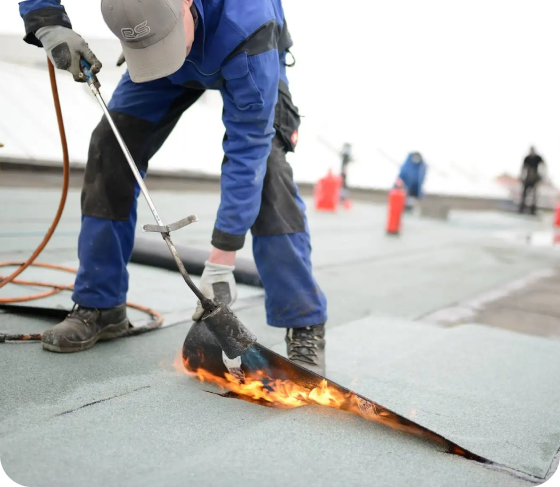
Commercial roofs play a critical role in protecting business operations, equipment, employees, and inventory. When roofing problems occur, fast and effective Commercial Flat Roof Repair becomes essential to prevent further damage and maintain safe building conditions. Even minor roof issues can quickly escalate into expensive structural problems if they are not addressed by experienced professionals. Flat roofs are widely used across commercial buildings because they maximize usable space and offer cost-efficient installation. However, they also require specialized repair techniques and regular maintenance. Professional Commercial Roofers understand the unique challenges flat roofs face, including standing water, membrane punctures, flashing failures, and weather-related damage. Advanced Roofing has built a reputation as one of Florida’s leading Commercial Roofing Contractors, delivering dependable repair, replacement, and maintenance solutions for businesses since 1983. The company specializes in protecting commercial buildings while minimizing operational disruption during repairs. This guide explains how Commercial Flat Roof Repair should be approached, the common issues that require professional attention, and the proven process used by experienced Commercial Roofing Contractors to restore roof performance.

What Is Commercial Flat Roof Repair?

Commercial flat roof repair is the process of identifying and fixing damage on flat or low-slope roofing systems to restore waterproof protection, structural stability, and long-term roof performance. Commercial buildings commonly use flat roofing systems such as TPO, PVC, modified bitumen, or built-up roofing membranes. These materials are designed for durability but can still experience wear and tear over time due to environmental exposure. When problems occur, professional Commercial Roofers assess the roof’s condition and implement targeted repairs to restore functionality. Repair strategies may involve patching damaged membranes, sealing leaks, replacing flashing, or reinforcing weak sections of the roof structure. Effective Commercial Flat Roof Repair focuses not only on fixing visible damage but also on identifying underlying causes that could lead to future issues. Experienced Commercial Roofing Contractors perform thorough inspections to ensure the repair addresses the root of the problem rather than applying temporary fixes.

Common Problems That Require Commercial Flat Roof Repair

Flat roofs face a variety of challenges due to their structural design and exposure to weather conditions. Understanding the most common problems helps property owners identify when professional repair services are necessary.
$
Standing Water and Drainage Issues: Flat roofs often experience ponding water after heavy rainfall. If water remains on the roof surface for extended periods, it can weaken roofing materials and increase the risk of leaks.
$
Membrane Punctures and Tears: Commercial roofing membranes may be punctured by debris, equipment movement, or severe weather. Even small punctures can allow moisture to penetrate the roofing system.
$
Flashing Damage: Flashing protects vulnerable areas such as roof edges, vents, and HVAC equipment. When flashing deteriorates or separates from the roof surface, water intrusion becomes more likely.
$
Weather and Storm Damage: High winds, heavy rain, and intense sunlight can gradually degrade roofing materials. Florida’s climate often accelerates this process, making regular inspections important for maintaining roof integrity.
Professional Commercial Roofing Contractors are trained to detect these issues early and perform Commercial Flat Roof Repair before damage spreads across the roofing system.

Why Hiring Professional Commercial Roofers Matters

Hiring professional commercial roofers ensures roof repairs are completed safely, correctly, and in compliance with building codes while extending the life of the roofing system. Commercial roofing systems are complex structures that require specialized knowledge and equipment. Attempting repairs without proper expertise can lead to additional damage or incomplete repairs. Experienced Commercial Roofers bring several advantages to the repair process.
$
Accurate roof inspections and damage assessment
$
Proper repair techniques based on roofing material type
$
Compliance with local building codes and safety regulations
$
Long-term repair solutions instead of temporary patches
$
Guidance on maintenance schedules and energy-efficiency improvements
Because commercial roofs protect critical infrastructure and business operations, building owners should always rely on qualified Commercial Roofing Contractors when repairs are needed. Professional expertise ensures that Commercial Flat Roof Repair is performed with precision, preventing recurring leaks and structural deterioration.

Advanced Roofing’s Proven Commercial Flat Roof Repair Process

A structured repair process ensures that roofing problems are resolved effectively while minimizing disruption to business operations. Experienced Commercial Roofing Contractors follow a systematic approach to restore roofing performance.

Comprehensive Roof Inspection
The repair process begins with a detailed roof inspection. Professional Commercial Roofers evaluate the entire roofing system to identify leaks, membrane damage, drainage issues, and structural concerns.

Root Cause Analysis
Instead of simply repairing surface damage, contractors determine the underlying cause of the problem. Identifying root causes helps prevent recurring roof failures.

Targeted Repair Solutions
After diagnosing the issue, contractors implement precise repair strategies tailored to the specific roofing material and damage type.

Quality Control and Final Inspection
Once repairs are completed, the roof undergoes a final inspection to confirm that all issues have been resolved and the roof is functioning properly. This structured process ensures Commercial Flat Roof Repair provides long-term results rather than temporary fixes.

Key Steps in Professional Commercial Flat Roof Repair
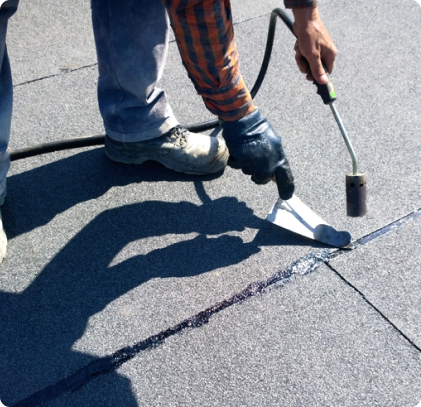
Professional repair work often includes multiple repair techniques depending on the type of damage present on the roof.
$
Membrane Patching: Damaged sections of roofing membranes are removed and replaced with compatible materials to restore waterproof protection.
$
Flashing Replacement: Deteriorated flashing is repaired or replaced to seal vulnerable areas around roof penetrations.
$
Leak Sealing: Roof leaks are sealed using specialized materials designed to withstand environmental exposure.
$
Drainage Corrections: Contractors adjust drainage systems or slopes to prevent standing water from accumulating on the roof.
$
Surface Reinforcement: Reinforcing weakened roof sections helps improve durability and structural integrity.
These repair methods help restore the performance of commercial roofing systems while extending the overall lifespan of the roof.

Preventative Maintenance After Commercial Flat Roof Repair

Preventative maintenance after commercial flat roof repair helps detect minor issues early, extend roof lifespan, and reduce long-term repair costs. After completing Commercial Flat Roof Repair, ongoing maintenance becomes essential for protecting the roofing investment. Preventative maintenance programs allow Commercial Roofing Contractors to monitor roof conditions and address small issues before they become major problems. Routine maintenance inspections typically include evaluating drainage systems, checking membrane conditions, and ensuring flashing remains secure. Professional Commercial Roofers also remove debris and verify that rooftop equipment installations have not compromised the roofing surface. By scheduling regular inspections, building owners can reduce the likelihood of unexpected leaks or costly emergency repairs. Preventative care ensures the roof continues to perform efficiently for many years after repair work is completed.

Commercial Flat Roof Repair Across Florida

Commercial buildings throughout Florida face intense weather conditions including heat, humidity, heavy rain, and strong storms. These environmental factors place constant stress on roofing systems and increase the need for professional repair services. Businesses across Miami, Palm Beach, Tampa, Jacksonville, Fort Lauderdale, Fort Myers, and Orlando rely on experienced Commercial Roofing Contractors to maintain the safety and durability of their buildings. In these regions, Commercial Flat Roof Repair plays a vital role in preventing water intrusion and protecting commercial properties from structural damage. Professional Commercial Roofers understand the unique challenges Florida’s climate presents and apply repair strategies designed to withstand these conditions. With the right repair techniques and maintenance practices, commercial roofs can continue performing reliably even under extreme weather exposure.

Choosing the Right Commercial Roofing Contractors

Selecting the right roofing partner is one of the most important decisions a building owner can make. The quality of repair work directly affects roof longevity, safety, and operational continuity. Reliable Commercial Roofing Contractors offer more than basic repair services. They provide thorough inspections, professional repair strategies, and ongoing maintenance programs designed to protect commercial properties. When evaluating contractors for Commercial Flat Roof Repair, building owners should consider experience, licensing, safety standards, and industry reputation. Skilled Commercial Roofers combine technical expertise with high-quality materials to ensure repairs meet professional standards. By partnering with experienced contractors, businesses can maintain strong, reliable roofing systems that protect their operations and reduce long-term maintenance costs.

Frequently Asked Questions

1. What is commercial flat roof repair?
Commercial flat roof repair is the process of fixing damage on flat or low-slope commercial roofing systems. It involves identifying leaks, membrane damage, drainage issues, and structural concerns, then restoring the roof’s waterproof protection and durability.
2. What are the most common causes of commercial flat roof damage?
Common causes include standing water, membrane punctures, flashing deterioration, storm damage, and long-term exposure to UV radiation. These issues can weaken roofing materials and eventually lead to leaks or structural problems.
3. How do commercial roofers detect leaks in flat roofs?
Professional commercial roofers perform detailed inspections using visual assessments, moisture detection tools, and sometimes thermal imaging. These methods help identify hidden water intrusion and underlying damage within the roofing system.
4. How long does commercial flat roof repair typically take?
The duration of commercial flat roof repair depends on the size of the roof and the extent of the damage. Minor repairs may take a few hours, while more complex repairs involving multiple sections of the roof can take several days.
5. When should building owners schedule commercial roof repairs?
Repairs should be scheduled as soon as warning signs appear, such as visible leaks, standing water, membrane cracks, or interior water stains. Early repairs help prevent more extensive damage and higher repair costs.
6. Can commercial flat roofs be repaired instead of replaced?
Yes, many roofing issues can be resolved through targeted repairs if the overall roof structure is still in good condition. Experienced commercial roofing contractors evaluate the roof to determine whether repair or replacement is the most effective solution.
7. How can regular maintenance reduce the need for roof repairs?
Routine maintenance helps identify small issues before they become major problems. Regular inspections, debris removal, and drainage checks performed by commercial roofers can extend the lifespan of a flat roof and reduce repair frequency.
8. Why should businesses hire professional commercial roofing contractors?
Professional commercial roofing contractors have the expertise, equipment, and materials needed to perform repairs safely and effectively. Their experience ensures repairs are completed correctly, preventing recurring leaks and improving the overall lifespan of the roof.